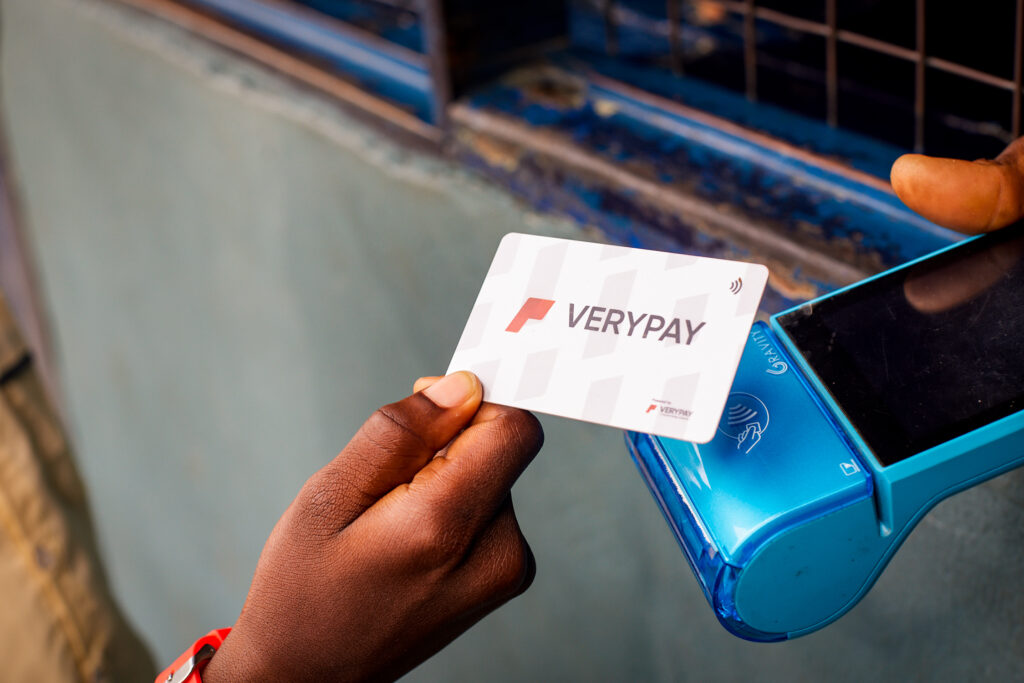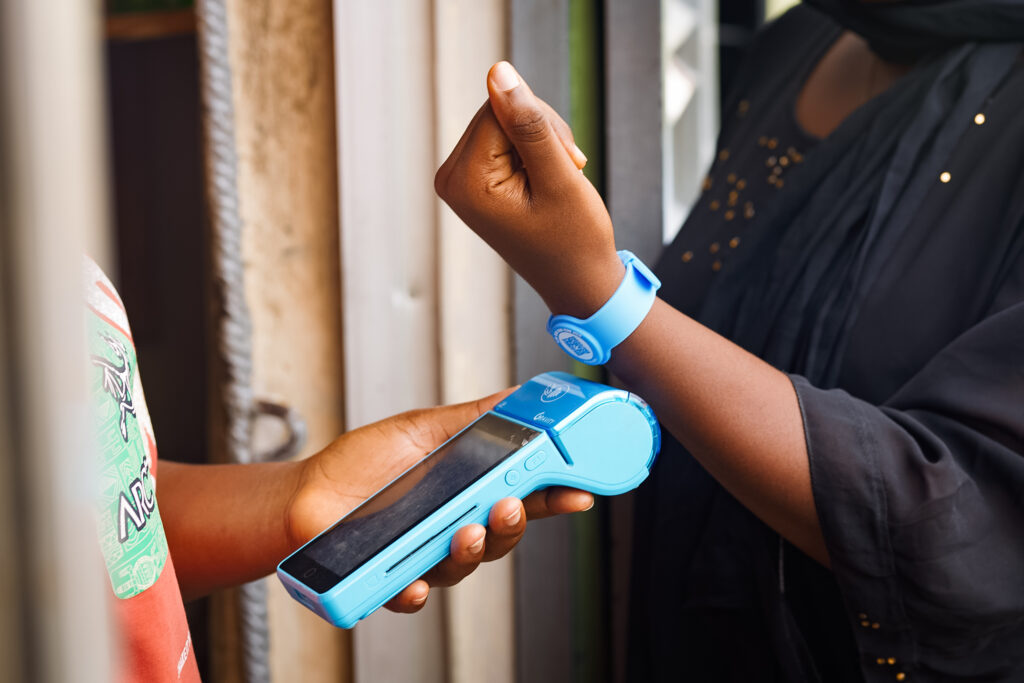


For many financial platforms, offline functionality is still treated as a premium enhancement or a useful backup, a differentiator, something innovative to showcase in product demos. But across much of the world, and especially in emerging markets, offline capability is not a luxury. It is the baseline requirement for inclusion.
Connectivity Is Not Constant
The reality is straightforward: connectivity is not constant. Even in major cities, mobile networks fluctuate, power outages interrupt service, and data costs remain unpredictable for many households. In rural communities, stable internet access may disappear entirely for hours at a time, and during periods of congestion, emergencies, or infrastructure failure, even well-connected environments experience “no signal moments.” Yet financial systems are often designed as though connectivity is guaranteed, creating a dangerous gap between how payment systems are engineered and how people actually live.
Trust Is Built in the Moments That Matter
For users, financial trust is not built around elegant interfaces or advanced features. It comes from the confidence that a transaction will work when it matters most—a parent paying school fees during a network outage, a merchant processing payments during peak congestion, a transport operator validating fares in low-connectivity zones, or a field agent distributing aid in rural communities without reliable internet access. In these moments, failure is not a technical inconvenience; it becomes a breakdown of trust.
The Problem Runs Deeper Than Delays
The problem runs deeper than transaction delays alone. Intermittent connectivity affects the entire financial experience: transaction finality, reconciliation, dispute resolution, and user confidence. One of the biggest misconceptions in digital finance is the assumption that “digital” automatically means “instant and reliable.” In reality, systems built without offline resilience often become fragile under real-world conditions. A payment may appear successful on one side but fail on another, balances may temporarily mismatch, users may receive delayed confirmations, and merchants may struggle to reconcile transactions once connectivity returns. For financially vulnerable users, these inconsistencies are not small issues—they directly influence whether people trust digital systems enough to keep using them.
Why Offline-First Design Matters
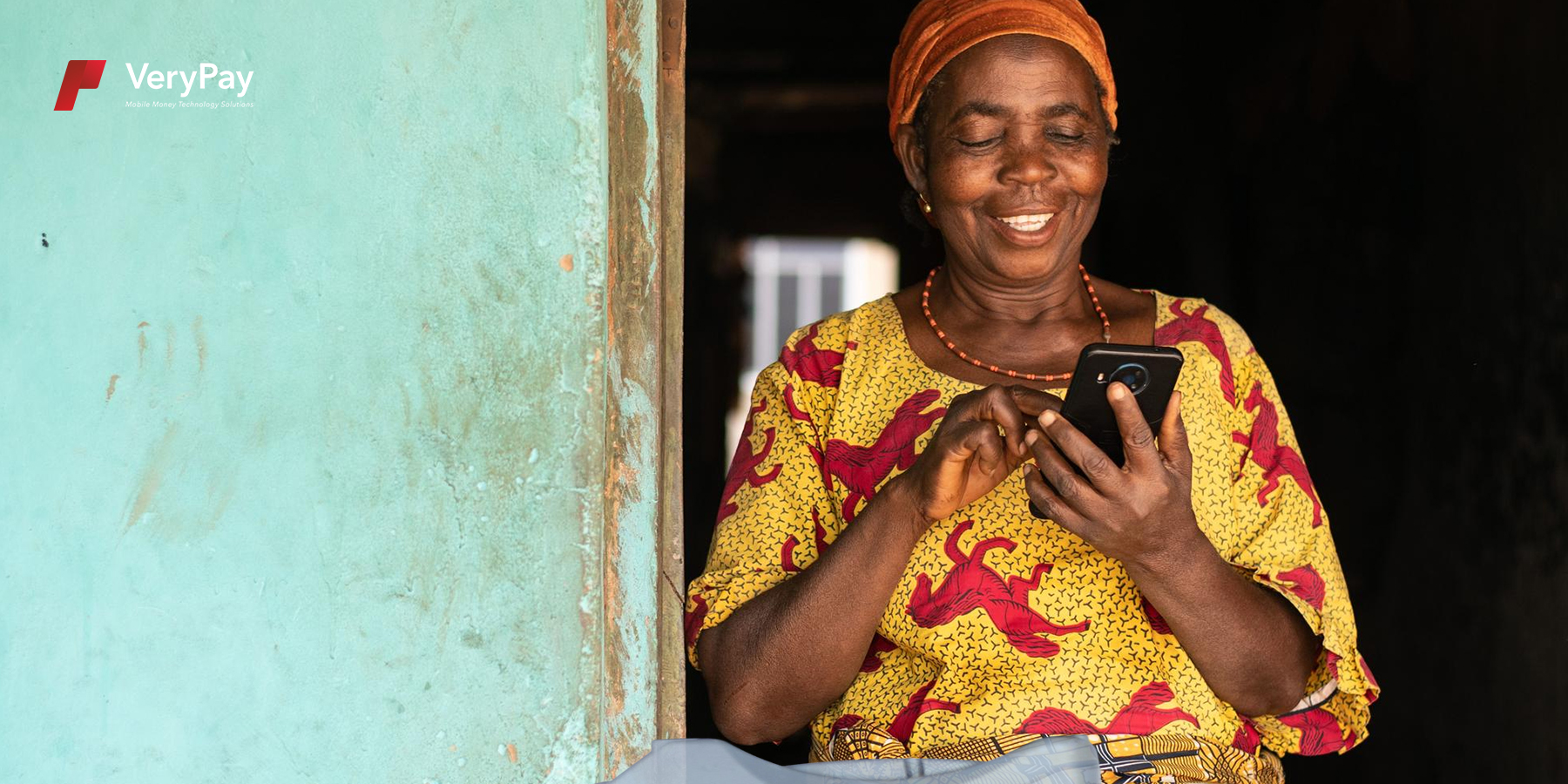
This is why offline-first design matters. Offline-first finance does not mean abandoning digital infrastructure; it means designing systems that treat instability as a normal operating condition rather than an exception. Instead of assuming uninterrupted connectivity, offline-first systems ask a different set of questions: What happens when the network disappears mid-transaction? How does the user continue operating? Is transaction integrity preserved? How are records synchronized once connectivity returns? And how do we reduce uncertainty for both merchants and customers? These are not edge cases. They are central design questions for any platform serious about financial inclusion.
Designing for the Real World at VeryPay
À Très Payer, this principle shapes how we think about payments within school ecosystems and community transactions. In many environments, families move between online and offline channels constantly—a parent may top up via USSD, confirm a balance through an agent, and complete a payment offline at a merchant point. The experience is not linear, because real-world infrastructure is not linear.
The Future of Inclusive Finance

The future of inclusive finance will likely belong to systems that embrace this complexity rather than resist it. That means building for synchronization, not just connectivity; designing for continuity, not just convenience; and creating trust models that survive unstable infrastructure rather than only ideal conditions.
The conversation around financial innovation often centers on AI, blockchain, embedded finance, and advanced payment rails, and those technologies matter. But for millions of people, the more urgent innovation is far simpler: making sure payments still work when the signal does not. Because inclusion is not measured by how sophisticated a platform becomes under perfect conditions. It is measured by whether people can rely on it when conditions are imperfect.