
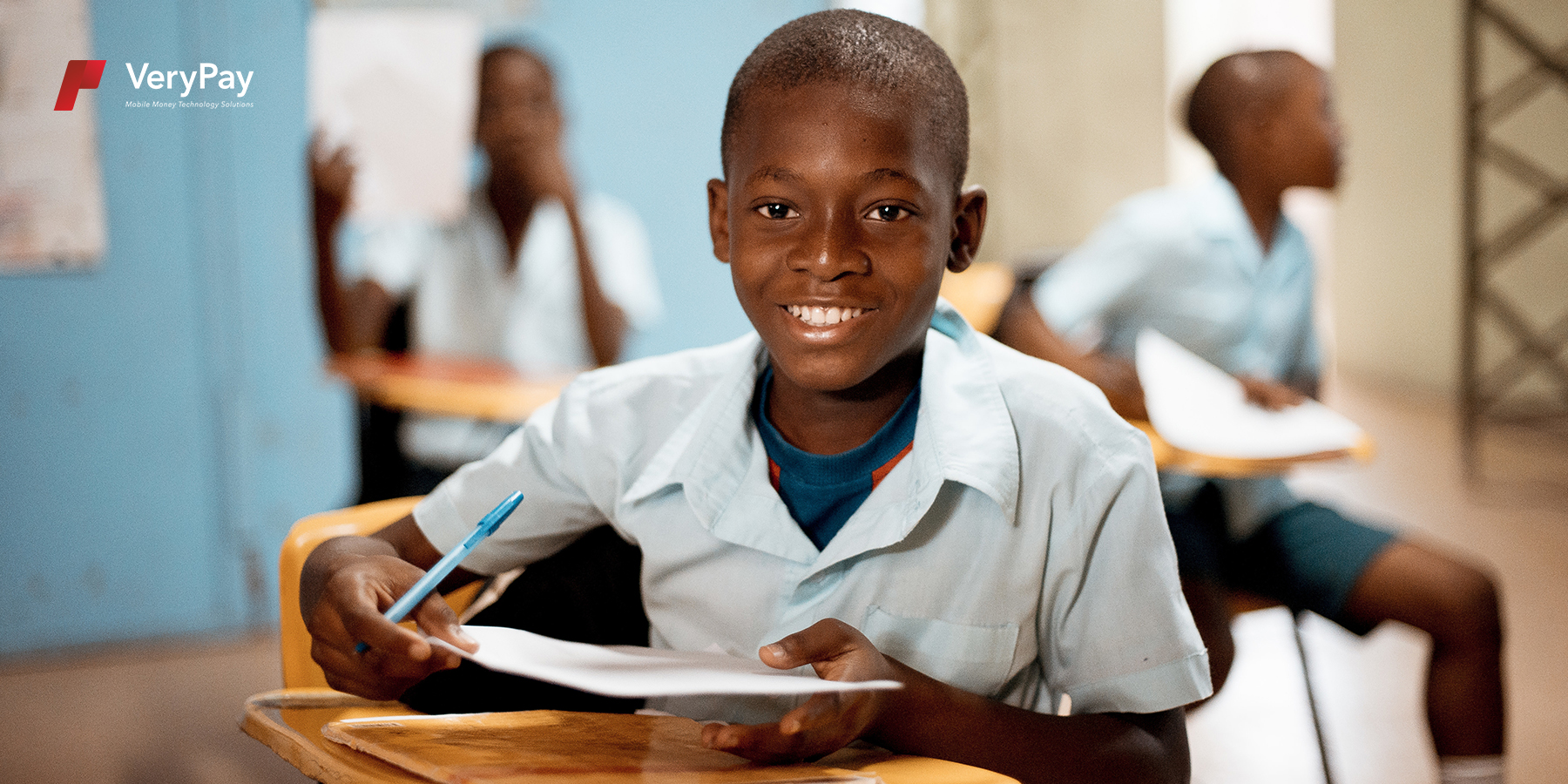
In Dakar, a parent can send money to a relative in Ziguinchor in seconds, pay an electricity bill from a market stall, and top up a wallet without ever stepping into a bank. Yet every morning, that same parent often hands their child a few coins for lunch and hopes they reach the canteen. Mobile money has solved the problem of distance across much of Africa. It has not yet fully solved the small, daily spend that shapes a family’s week, and nowhere is that gap more visible than at the school gate.
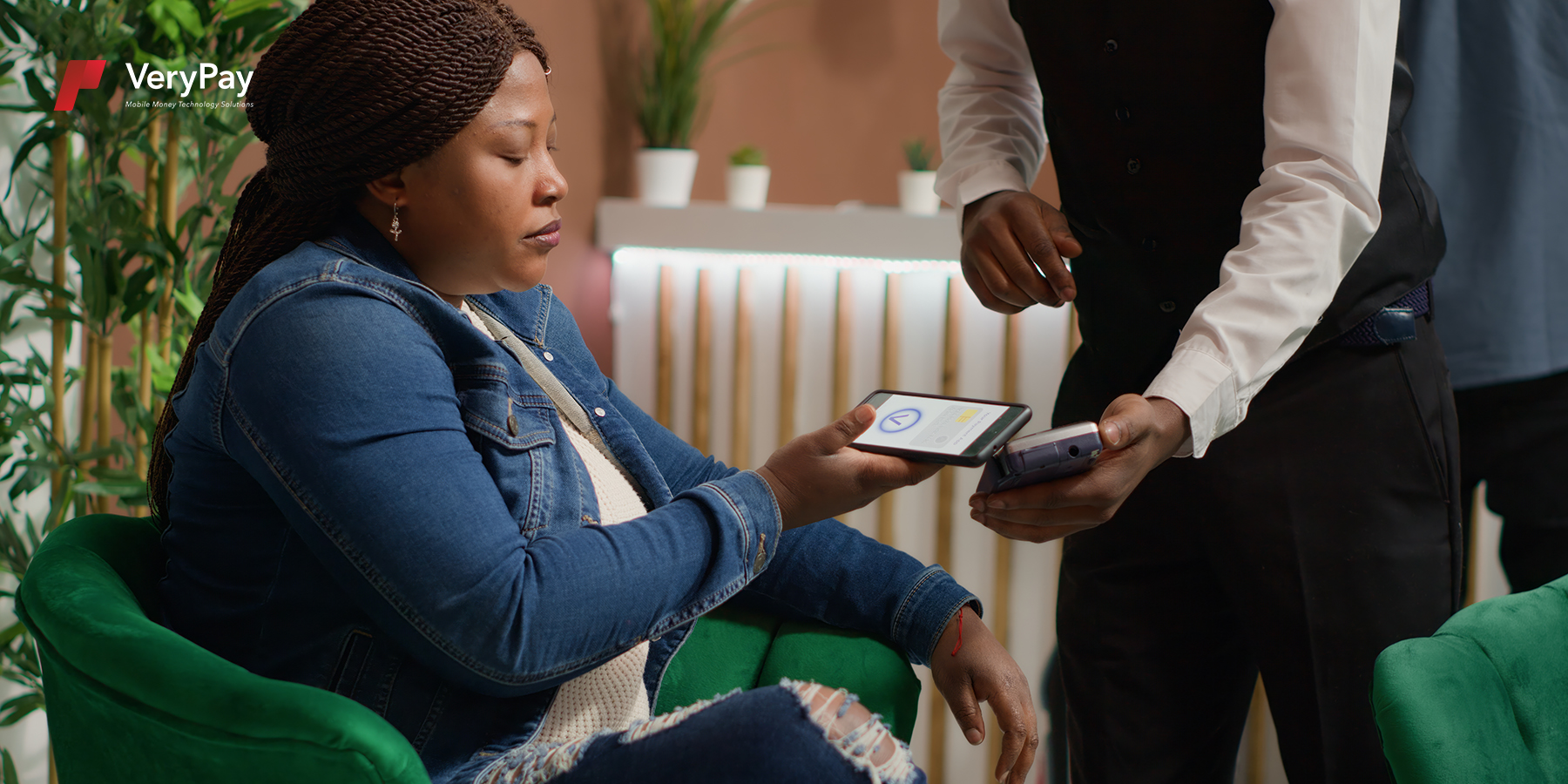
That gap matters because mobile money itself has changed. What started as simple person-to-person transfers over USSD codes has grown into something much broader, and merchant payments are now its fastest-growing use case. Shops, transport operators and service providers increasingly expect to be paid digitally. The question facing the industry is no longer whether Africans will pay with their phones. It is where the next everyday payment habit will form, and which environments are ready to turn occasional users into daily ones.
 Schools are one of the strongest answers. Few places generate payments as frequently or as predictably. Tuition, canteen meals, uniforms, books, excursions and exam fees all flow through a school, five days a week, across years of a child’s education. For families, those payments are recurring and non-negotiable. For schools, cash handling means queues, reconciliation errors, security risks and time taken away from teaching. A school is, in practical terms, a small merchant ecosystem that has largely been left out of the digital shift happening around it.
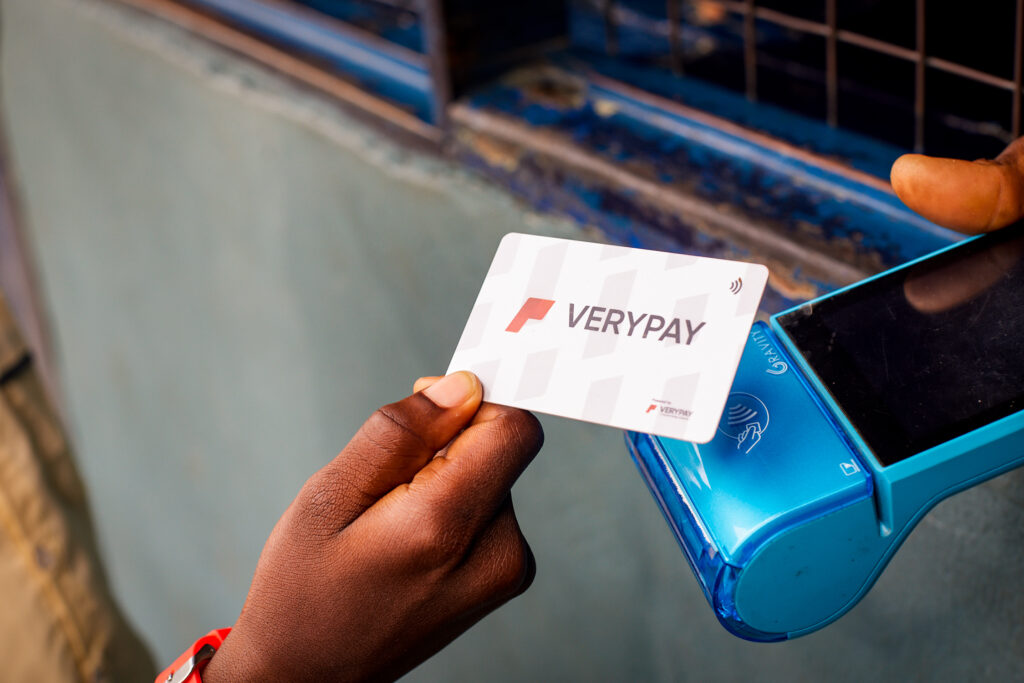
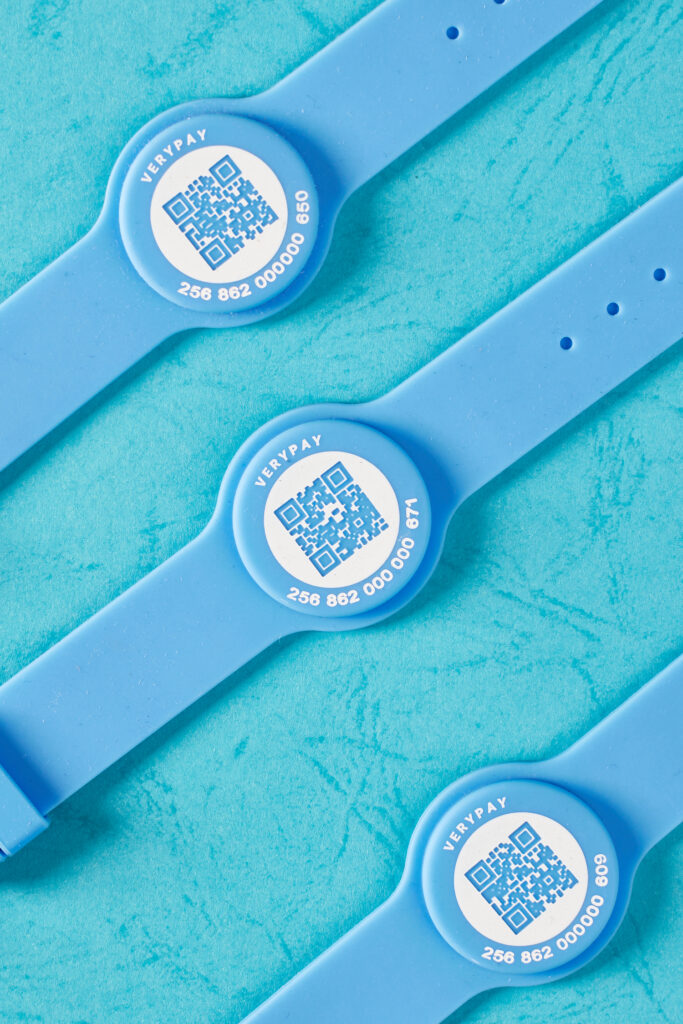
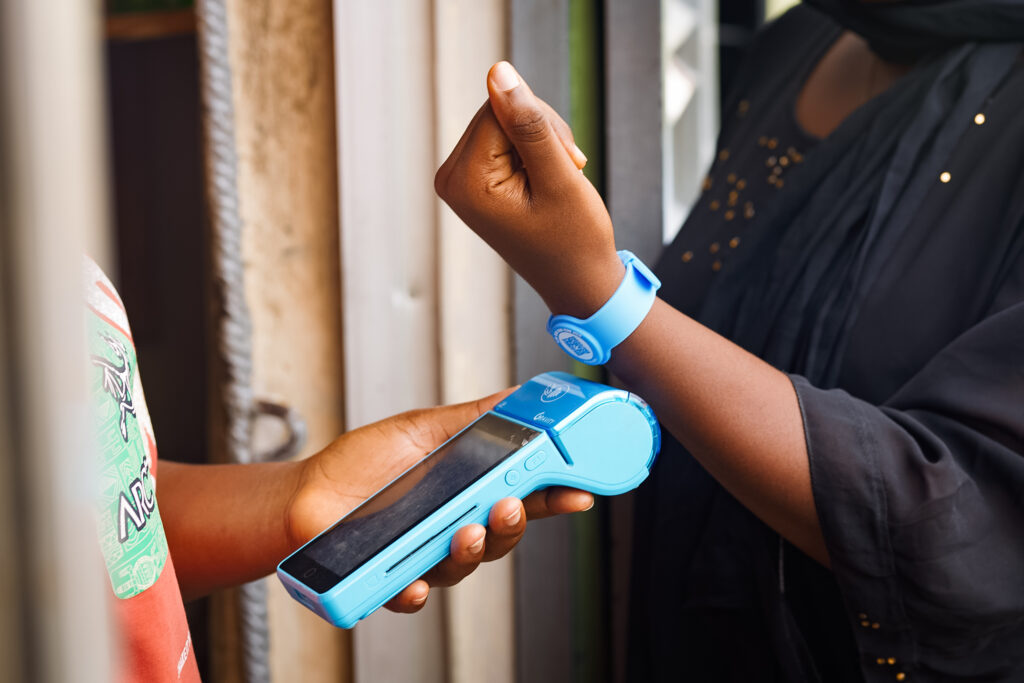
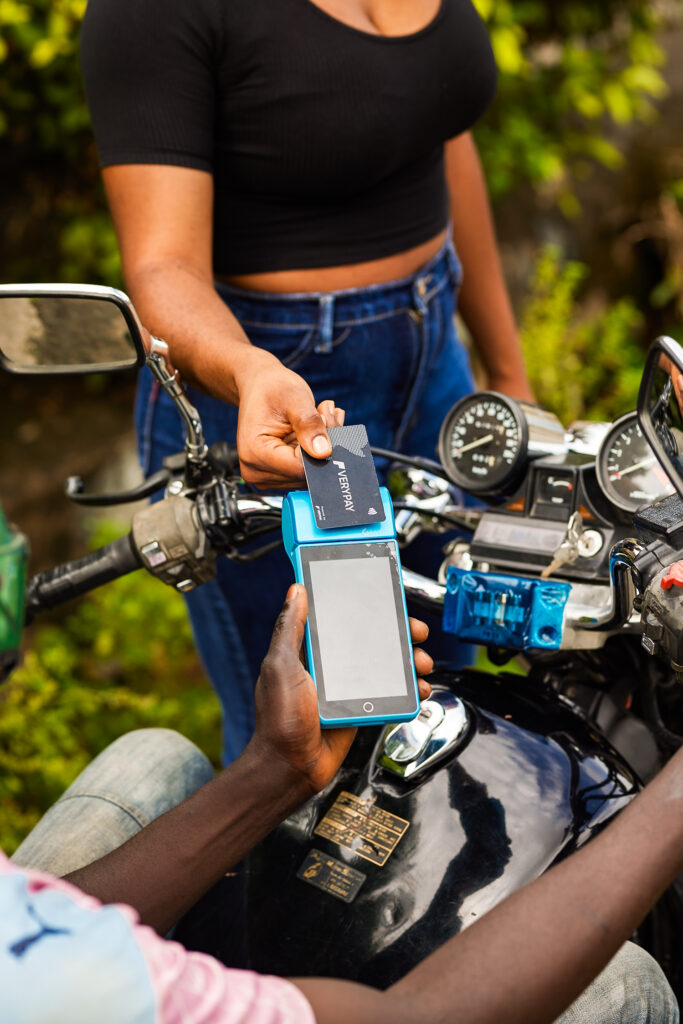
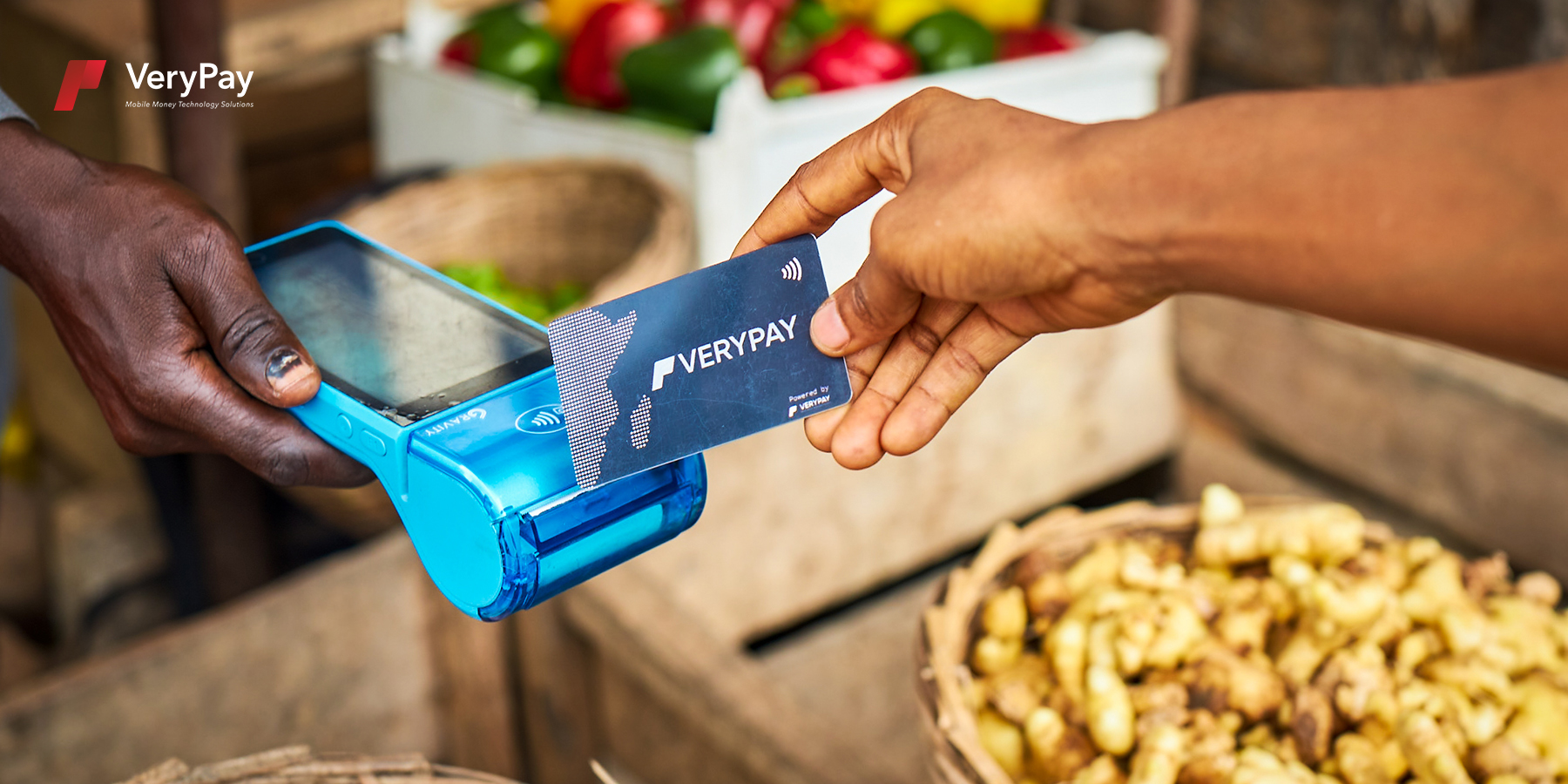
VeryPay Cashless Schools was built to close that gap. School fees are collected digitally and protected through escrow, so every payment is traceable from the moment it leaves a parent’s wallet. Inside the school, POS payments replace cash at the canteen and school shop, so children no longer need to carry money. The system works alongside the mobile wallets families already use, so parents do not have to learn a new way to pay. Most importantly, parents see exactly what their child spends and when. That visibility belongs to parents alone: schools manage their collections, but individual spending details stay with the family.
 The result is bigger than a cashless canteen. When a school goes digital, it brings hundreds of families into a daily payment rhythm and makes a child’s lunch purchase part of the same ecosystem as the household’s savings, transfers and bills. That is what mobile money becoming an economic platform actually looks like: not a single app, but everyday environments connected by trusted payments. Schools are ready to lead that shift, and the families they serve already carry the phones to make it happen.
Your school already runs on daily payments. Make them cashless, visible and safe. Visit www.verypay.africa today to see how VeryPay Cashless Schools can work for your school and the families you serve.